Multi-site
What is multi-site, multi-language, multi-brand content management?
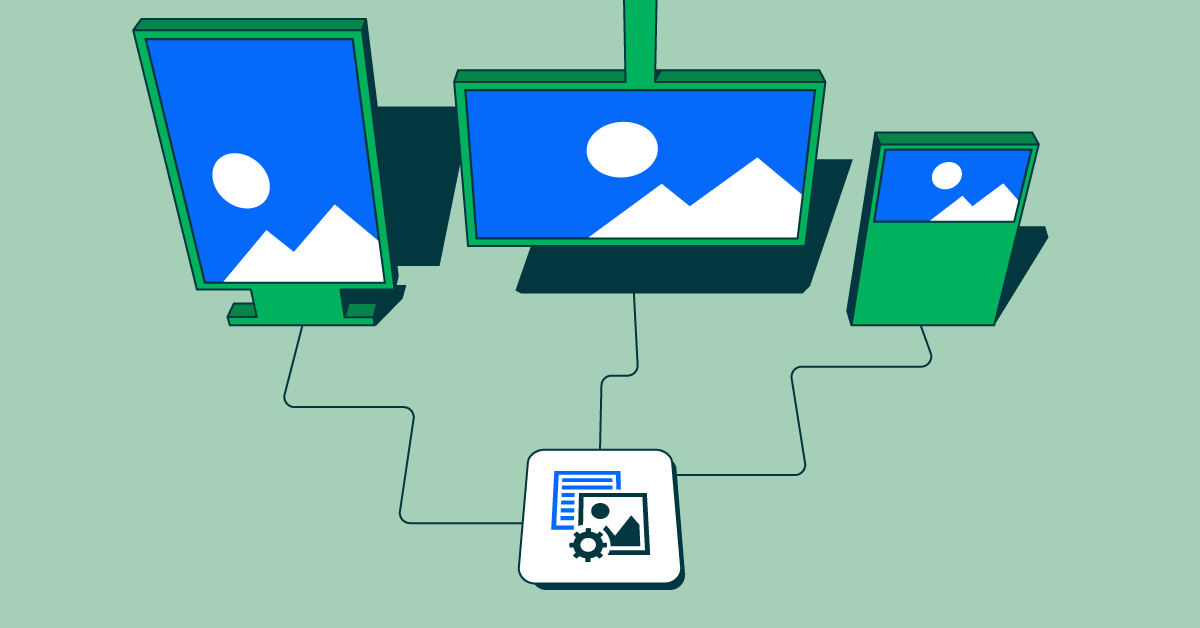
At Magnolia DXP, we define multi-site, multi-language, multi-brand content management as running every website, market, and brand from one governed Digital Experience Platform (DXP). Central teams create and protect shared content once. Local teams adapt it for their language, culture, and campaigns. Magnolia DXP connects the two, so you scale to new markets without copying content, multiplying CMS instances, or giving up brand control.
Magnolia DXP for global multisite management
Welcome to the Magnolia DXP multi-site hub. Global teams rarely lack content. They lack a way to reuse it across 10, 50, or 80 sites without the copies drifting apart. The articles on this page show how Magnolia DXP resolves that trade-off between central governance and local speed: Live Copy to share and protect content, a single multi-brand platform to replace fragmented instances, a Create Once, Publish Everywhere (COPE) content model, and translation workflows that go beyond word-for-word. Each section links to the customers who put them into practice.
Magnolia DXP Live Copy: govern shared content, adapt it locally
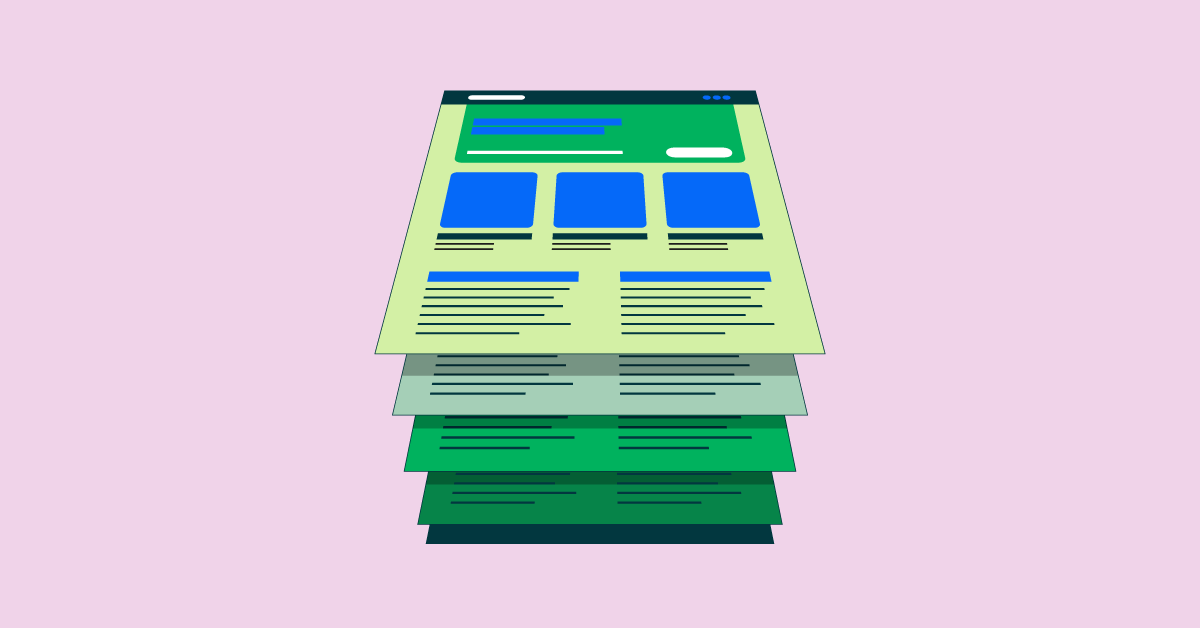
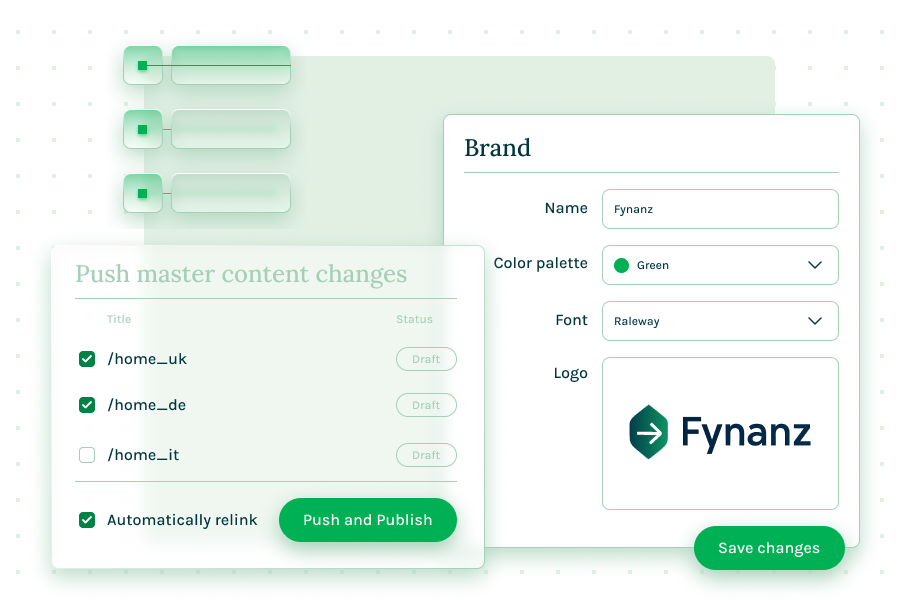
Magnolia DXP Live Copy lets you build a master site once and roll it out as linked copies for each market. Updates flow from the master to every copy, while local editors can override individual properties or components, or unlink a page entirely when a market needs something different. Read how Live Copy makes global multisite management easy for the full inheritance model.
The structure behind Live Copy matters just as much. Magnolia DXP supports separate site trees per country, a single shared tree, or a hybrid of local trees with centrally managed content. How to structure CMS content for international sites compares the three models. PERI shows the result at scale: the construction company runs more than 50 websites in over 30 languages on Magnolia DXP, with site and language scoping, rapid site cloning, and 14 task-focused editing apps for its 50+ authors worldwide.
Magnolia DXP multi-brand architecture: one platform, many brands
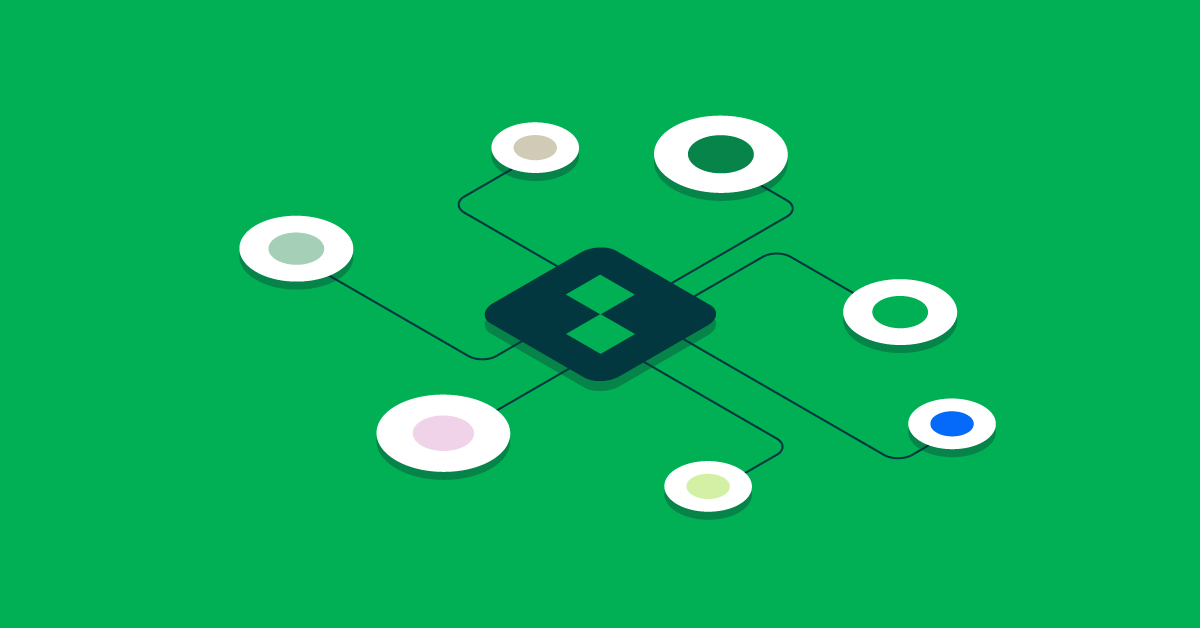
Magnolia DXP consolidates regional and brand-specific CMS instances into one multi-tenant platform. Role-based permissions control who edits what, pre-configured components keep every brand compliant, and site blueprints turn a new brand launch into a configuration task instead of a new project. The multi-brand chaos: Scaling from 1 to 100 brands and architecting the enterprise CMS for composite efficiency explain the architecture. The multi-brand survival guide covers the governance model that gives IT control and marketing speed.
Emmi, the Swiss dairy group, proves the model. Emmi moved 80 websites from different content management systems onto one Magnolia DXP multisite platform. The result: a 90% reduction in web production costs and new brand websites live in three weeks on average. A themeable style guide keeps each brand's identity intact on shared templates and components.
Magnolia DXP content orchestration: create once, publish everywhere
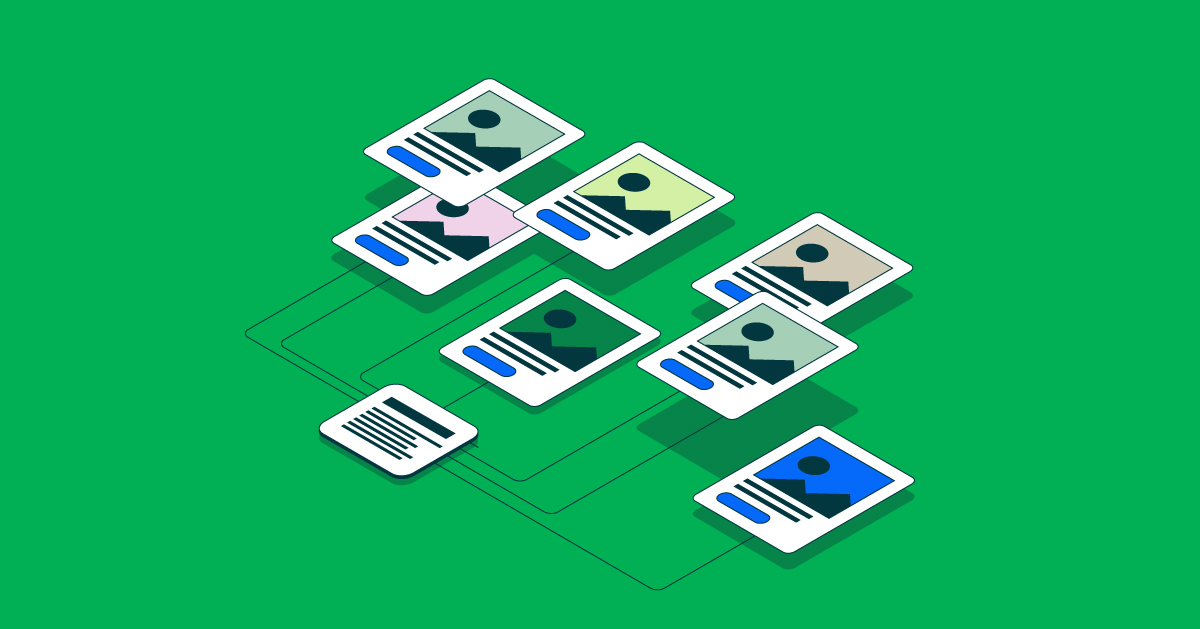
Magnolia DXP separates content from presentation, so a product description, legal notice, or campaign block lives in one place and publishes to every site, language, and channel. COPE strategy for enterprise CMS and composable content explained cover the model: structured Content Apps, a visual Page Editor, and API-driven delivery. Magnolia DXP Multisource extends it to external content from Product Information Management (PIM) and Digital Asset Management (DAM) systems. Magnolia DXP Campaign Management schedules launches across markets. Delivering on digital shows why headless delivery and COPE matter for fast, personalized experiences.
Meliá Hotels International runs this model across 40+ countries and 8 brands. With a template and module system on Magnolia DXP connected to Salesforce Marketing Cloud, DAM, and ecommerce, Meliá trained over 500 users in 350 hotels within one month. Its teams created 40 landing pages in the first week.
Magnolia DXP localization: from translation to local relevance
Magnolia DXP treats language as one layer of localization, not the whole job. Translation converts words. Localization adapts imagery, calls to action, and local terms, so each market trusts what it reads. Localization vs. translation explains the difference. How brands can approach multilingual websites shows why it pays off: 76% of online shoppers prefer to buy products with information in their native language. Forrester predicts that in 2026, "consumers will reject surface-level personalization and fragmented experiences, demanding transparency, relevance, and trust."
Magnolia DXP connects to DeepL, Google Translate, Microsoft Translator, and translation agencies through XML and XLIFF import and export, with human linguists in the loop for final review. Six strategies for multisite and translation sets out the workflow. Global Blue applied it with AI-assisted translation on Magnolia DXP: "Translation costs are down by around 70%, delivery times have gone from weeks to seconds, and our workflows are 80% faster." The Global Blue webinar walks through its setup across 14 languages. MOO gets similar speed across four languages: translation is 50% faster and page creation 7x faster on Magnolia DXP. Its editors now publish without waiting on developers. With Magnolia DXP personalization and insights, each market can then test and personalize its own variants.
Featured resources
- The multisite product brief: See how Magnolia DXP Live Copy shares content across sites, protects core brand content, and adapts it for each market without duplication.
- The integration product brief: Learn how Magnolia DXP Multisource connects PIM, DAM, and other content sources, so every site and channel draws from one consistent content hub.
- The multisite demo: Watch Senior Solution Architect Chris Jennings in DXplained: Global multisite management made easy, with business-user and technical demos of Live Copy and master-site replication.
- The translation case in practice: Stream AI in action: From hype to hands-on with Global Blue to see how Global Blue and Arvato Systems moved from week-long translation cycles to content in 14 languages in minutes.











.b8a7d96b7cb244f9a1a61c1823fd3066.webp)

.71b5c7984be6f9104a0098d3f72c26fb.webp)